A raw dog food calculator is a practical tool that helps ensure meals are balanced, portioned correctly, and tailored to each dog’s unique needs. By using such a calculator, owners can avoid guesswork and provide their dogs with the right mix of meat, bones, organs, and vegetables.
How to Use a Raw Dog Food Calculator
At its core, the calculator asks you to enter your dog’s weight, choose a feeding percentage based on age and activity, and select a model such as BARF or the Prey Model. With this information, it generates a daily breakdown in grams, showing portions of muscle meat, bones, liver, other organs, and vegetables or fruits.
- Weight entry – Input your dog’s weight in kilograms or pounds.
- Feeding percentage – Typically ranges from 2–4% of body weight.
- Feeding model – Choose BARF for a mix of meat and vegetables, or Prey Model for meat-only feeding.
- Daily breakdown – The calculator shows exact grams for each food type.
- Adjustments – Modify based on age, health, or activity.
By following these steps, owners can create a feeding plan that is both accurate and easy to maintain. The calculator eliminates uncertainty, ensuring that dogs receive the right nutrients in the right proportions.
Raw Dog Food Calculator Guidelines
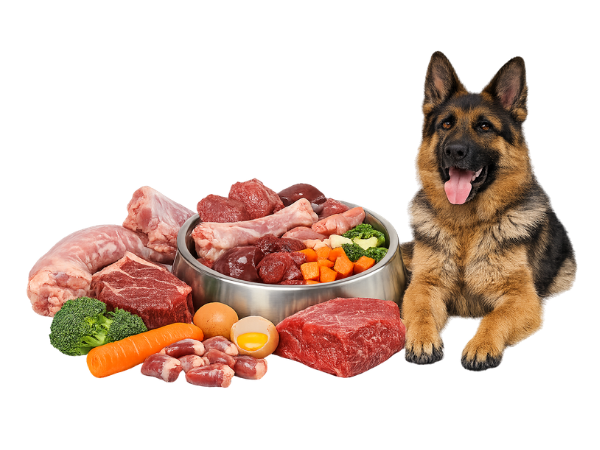
- BARF Model: Meat 70%, Bones 10%, Liver 5%, Other Organs 5%, Vegetables/Fruits 10%.
- Prey Model: Meat 80%, Bones 10%, Organs (including liver) 10%.
- Feeding Percentage: Typically 2–3% of body weight daily.
- Weight Units: Enter in kg or lbs (auto conversion included).
- Life Stage: Puppies and senior dogs may require adjustments.
- Veterinary Advice: Always consult your vet for individual health requirements.
Benefits of Calculating Raw Dog Food Portions
Accurate portioning is one of the most important aspects of raw feeding. Without a calculator, owners often rely on estimates, which can lead to overfeeding or underfeeding. Overfeeding may cause obesity, joint problems, and reduced energy, while underfeeding can result in malnutrition and weakened immunity.
- Nutritional balance – Ensures proper ratios of protein, fat, vitamins, and minerals.
- Weight control – Prevents obesity and supports healthy body condition.
- Digestive health – Balanced meals reduce digestive issues and improve stool quality.
- Energy levels – Proper feeding supports consistent energy and vitality.
- Veterinary alignment – Matches recommendations from veterinary nutrition standards.
The benefits extend beyond physical health. Dogs fed balanced raw diets often show improved coat quality, healthier skin, and better dental health due to chewing raw bones.
Raw Dog Food Calculator for Weight Management
By adjusting the feeding percentage, owners can reduce calorie intake without compromising nutritional balance. For overweight dogs, feeding closer to 2% of body weight helps promote gradual weight loss, while active or underweight dogs may require 3–4% to maintain energy and muscle mass.
- Overweight dogs – Lower feeding percentage to encourage safe weight loss.
- Active dogs – Higher feeding percentage supports energy demands.
- Senior dogs – Adjust portions to match reduced metabolism.
- Puppies – Require higher percentages for growth and development.
- Monitoring progress – Regular weigh-ins ensure feeding adjustments are effective.
Weight management is not just about portion size; it also involves monitoring progress and making gradual changes. Owners should weigh their dogs regularly and adjust feeding percentages as needed.
Feeding Guidelines for Adult Dogs
Adult dogs generally thrive on 2–3% of their body weight in raw food daily. The BARF model divides this into meat, bones, organs, and vegetables, while the Prey Model focuses solely on meat, bones, and organs.
- BARF model – 70% meat, 10% bones, 5% liver, 5% other organs, 10% vegetables/fruits.
- Prey Model – 80% meat, 10% bones, 10% organs (including liver).
- Daily portions – Adjust based on dog’s size and condition.
- Meal frequency – Typically one or two meals per day.
- Consistency – Regular feeding schedules support digestion and energy.
Feeding guidelines are not rigid rules but flexible recommendations. Owners should observe their dog’s condition, energy levels, and overall health, making adjustments as necessary.
Adjusting Raw Food Portions by Activity Level
Activity level plays a major role in determining how much food a dog needs. Highly active dogs, such as working breeds or those engaged in sports, may require up to 4% of their body weight daily. Less active or overweight dogs may need closer to 2%.
- High activity dogs – Require larger portions to sustain energy.
- Low activity dogs – Smaller portions prevent weight gain.
- Seasonal changes – Adjust feeding during colder or warmer months.
- Health conditions – Dogs with medical issues may need tailored portions.
- Monitoring behavior – Energy levels and behavior indicate if feeding is appropriate.
Adjusting portions by activity level ensures that dogs receive the right amount of food for their lifestyle. Owners should observe changes in energy, weight, and behavior to fine-tune feeding.